California Rail Chief Urges State to Back Private Investment for High-Speed Project
SACRAMENTO, Calif. (AP) — The head of a delayed initiative aimed at providing direct train services between San Francisco and Los Angeles within less than three hours informed The Associated Press that the project might successfully obtain the crucial private financing required if California commits to reimbursing these investors.
Ian Choudry, who became the CEO of the California High-Speed Rail Authority in August, faces the challenge of revitalizing the country's biggest infrastructure initiative amidst various challenges. skyrocketing costs and fresh concerns that the Trump administration could pull $4 billion in federal funding.
Choudri stated, "We initiated this project but aren’t achieving our goals," explaining his motivation for taking up the role following experience with high-speed systems in Europe. He continued, "This drove me to join—completely revamp it, returning everything to how it ought to be. We must address all problems, secure stable financing, and prove to everyone else that once we commit ourselves to something, we can definitely make it happen."
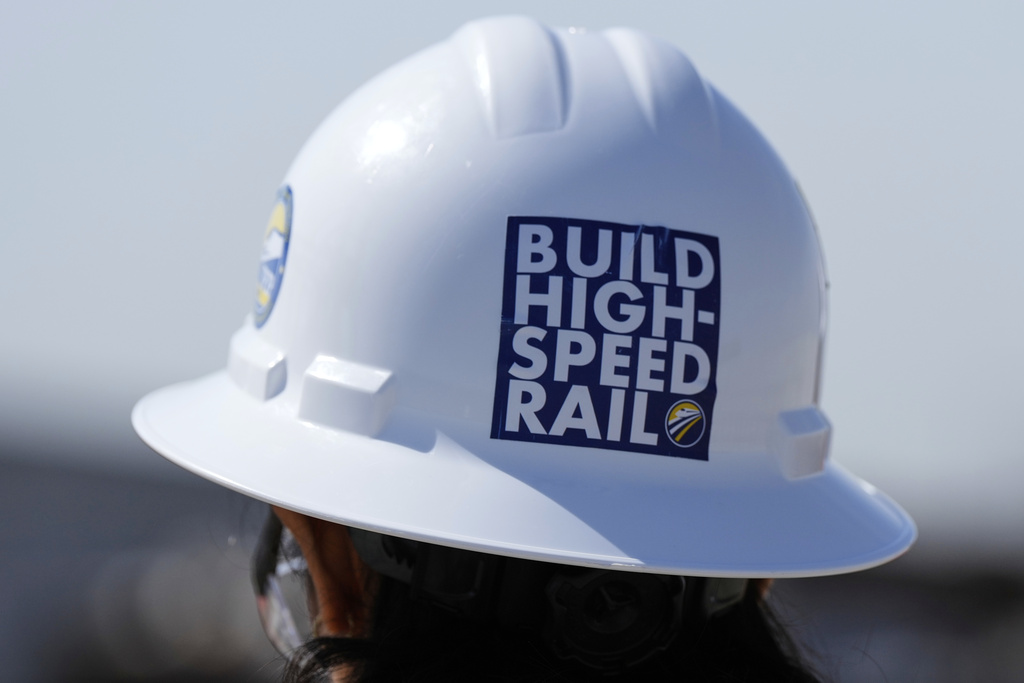
In 2008, voters initially endorsed $10 billion in bonds to fund approximately one-third of the projected expenses, promising that the train service would commence operations by 2020. However, five years beyond this target date, not a single track has been installed yet. Choudri admits that it might require almost another twenty years to finish most of the route from San Francisco to Los Angeles, provided that sufficient funds become available.
Funding woes
The cost of the project has surpassed $100 billion, which is over three times the original projection. The majority of this funding has come from the state via a voter-approved bond and funds from the state’s cap-and-trade initiative. Approximately one-fourth of the total amount was provided by the federal government.
The authorities have already expended approximately $13 billion. The state is currently out of bond money , and authorities must develop a funding strategy for the Central Valley portion of the project by mid-2026, as stated by the oversight office of the inspector general.
"The leaders of the initiative faced difficulties right from the start as they lacked proper funding—certainly not consistent and predictable financial support—which was essential for managing the project effectively," stated Lou Thompson, who headed a peer review team examining the state's high-speed rail strategies.
If they lose funds from the federal government, "it would necessitate a serious reconsideration of our strategies for surviving the coming four years," he stated.
Rail officials are discussing with Governor Gavin Newsom’s administration and state legislators about securing private investments. According to Choudri, without financial support from the private sector, the state might have to resort to taking federal loans or issuing additional bonds. During an industry conference in January, potential private investors showed interest in the project but emphasized their requirement for certain guarantees.
Choudri is urging Newsom and legislators to look into a plan that could ultimately require the state to repay private investors, potentially along with interest. This approach would provide the state with additional time to manage the expenses involved.
Democratic lawmakers express continued optimism regarding the project’s prospects. However, they have not introduced any new legislation this year to allocate extra funds within the state legislature and have previously been reluctant to increase financial support for the initiative.
Choudri intends to furnish legislators with an updated timeline and cost estimate this summer.
An ambitious vision
Choudri strives to achieve the initial objective of establishing a groundbreaking system — one that is already widespread. Europe and Asia — that boosts economic development, reduces greenhouse gas emissions from vehicles and aircraft, and helps drivers hours on the road .
Up to 220 miles (354 kilometers) per hour, this mode of transportation would provide the quickest method for traveling over land in the country.
The Amtrak Acela can carry passengers as fast as 150 miles (241 kilometers) per hour to key destinations such as New York, Boston, and Philadelphia. In Florida, another railway system operates at speeds of up to 125 miles (201 kilometers) an hour, transporting individuals back and forth. from Orlando to Miami .
Construction has begun on a predominantly privately financed high-speed system designed to transport passengers from Vegas to SoCal .
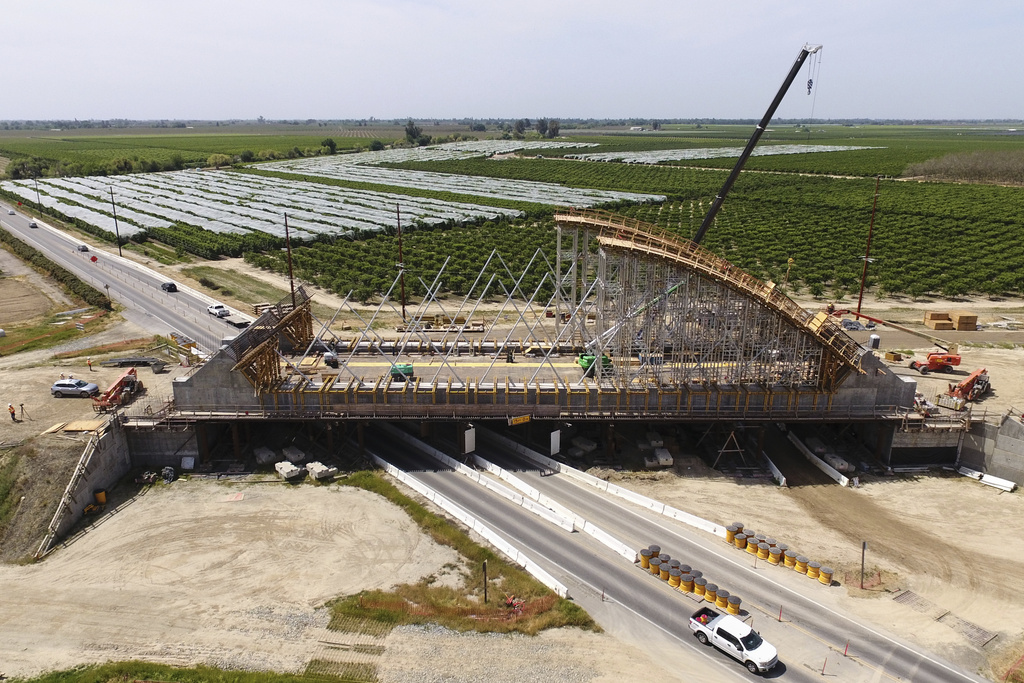
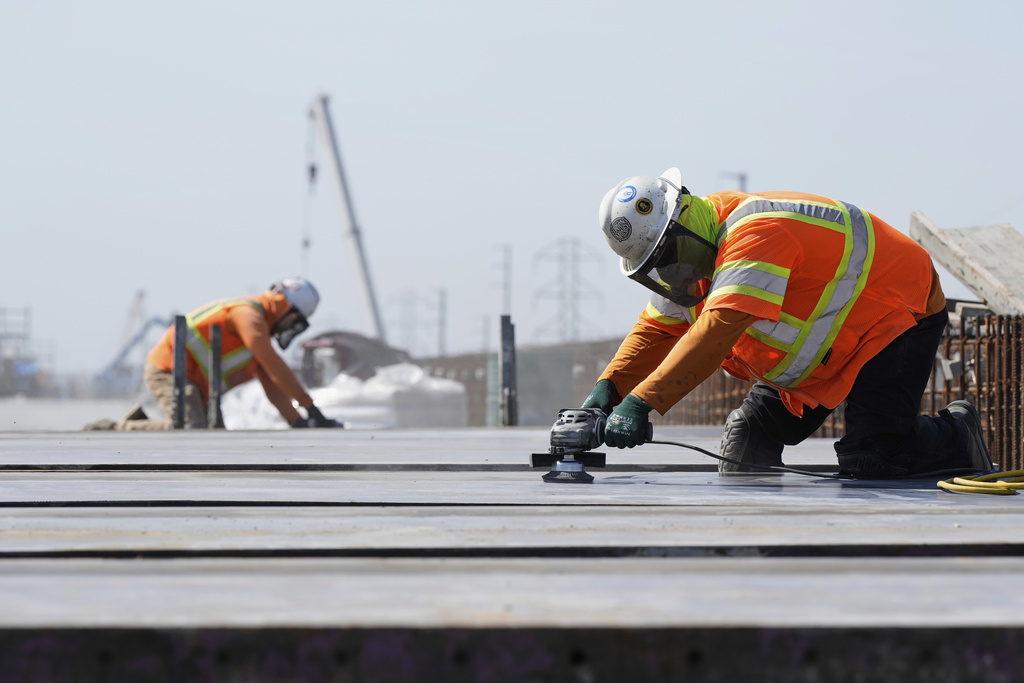
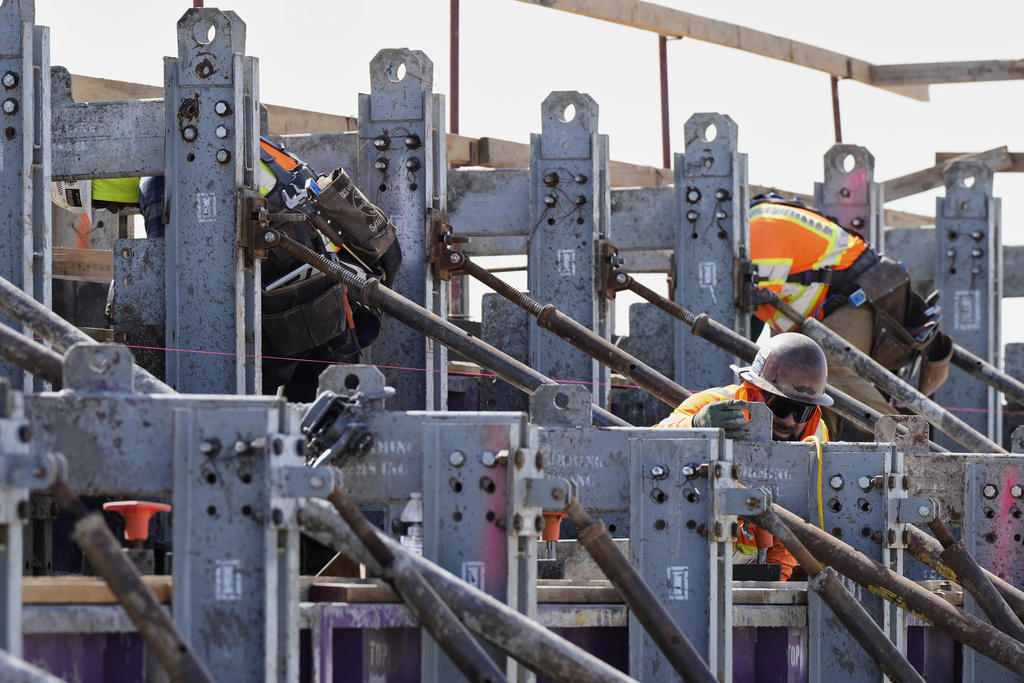
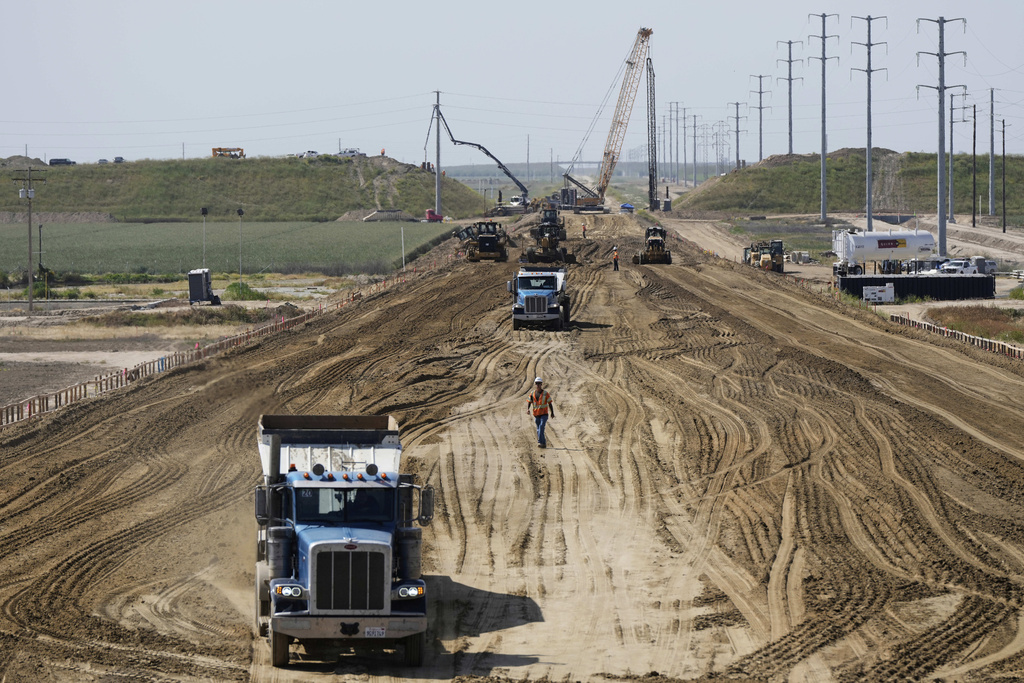
California’s construction remains incomplete. Out of the 119 miles (192 kilometers) currently under development in the Central Valley, merely a 22-mile (35-kilometer) section is prepared for the rail installation stage, with this process scheduled to commence the following year.
Completing the route through the valley marks only the initial phase. The subsequent steps involve extending service north towards the San Francisco Bay Area and heading south towards Los Angeles. Choudri aims to reach Gilroy, approximately 70 miles (113 kilometers) southeast of San Francisco. With present public transportation options, passengers would still require at least one additional train connection to arrive downtown.
To the south, his plan includes extending construction to Palmdale, which lies 37 miles (60 kilometers) northeast of Los Angeles. Currently, traveling from there to Los Angeles requires over an hour by car or approximately two hours via the present rail service.
In an ideal scenario, you could construct those 500 miles within your warehouse, set it up, and everyone would be content," Choudri stated. "However, projects aren’t typically designed this way. Instead, they develop gradually, which is exactly what we're undertaking at present.
Doubts for the future
Experts argue that the initiative will remain uncompleted and could result in massive, non-functional structures traversing the state’s fertile farmlands. Over fifty constructions, such as underpasses, viaducts, and bridges designed to isolate the railway tracks from current roads for enhanced safety, have already been erected.
"We've invested billions of dollars, yet not a single track has been laid," stated Republican State Senator Tony Strickland, who serves as the vice chairman of the Senate Transportation Committee.
Doug Verboon, the chairman of the Kings County Board of Supervisors, who has battled the High-Speed Rail Authority in legal proceedings because of farmers losing their lands as a result of the initiative, stated that those who ought to feel the greatest disappointment from these postponements are its long-term advocates.
"It doesn't appear to me that the state government is rushing to complete it," he stated.
___
Austin is part of the corps for The Associated Press/Report for America Statehouse News Initiative. Report for America is a nonprofit national service program that places journalists in local newsrooms to report on undercovered issues. Follow Austin on X: @sophieadanna
Post a Comment for "California Rail Chief Urges State to Back Private Investment for High-Speed Project"