Investors Flock to Emerging Market Debt as Trump Tariffs Slam U.S. Treasuries
- Local currency bonds from emerging markets are experiencing growing inflows of funds as U.S. Treasury securities have traditionally been viewed as a safe refuge.
- "This initiative aims at helping investors move their focus beyond the U.S. market, especially for those who are based locally," stated Mark Mobius, chairman of the Mobius Emerging Opportunities Fund.
- Starting from April 2, when the selling pressure on long-term U.S. Treasury securities intensified, emerging market local currency bonds experienced an influx of $2.4 billion instead.
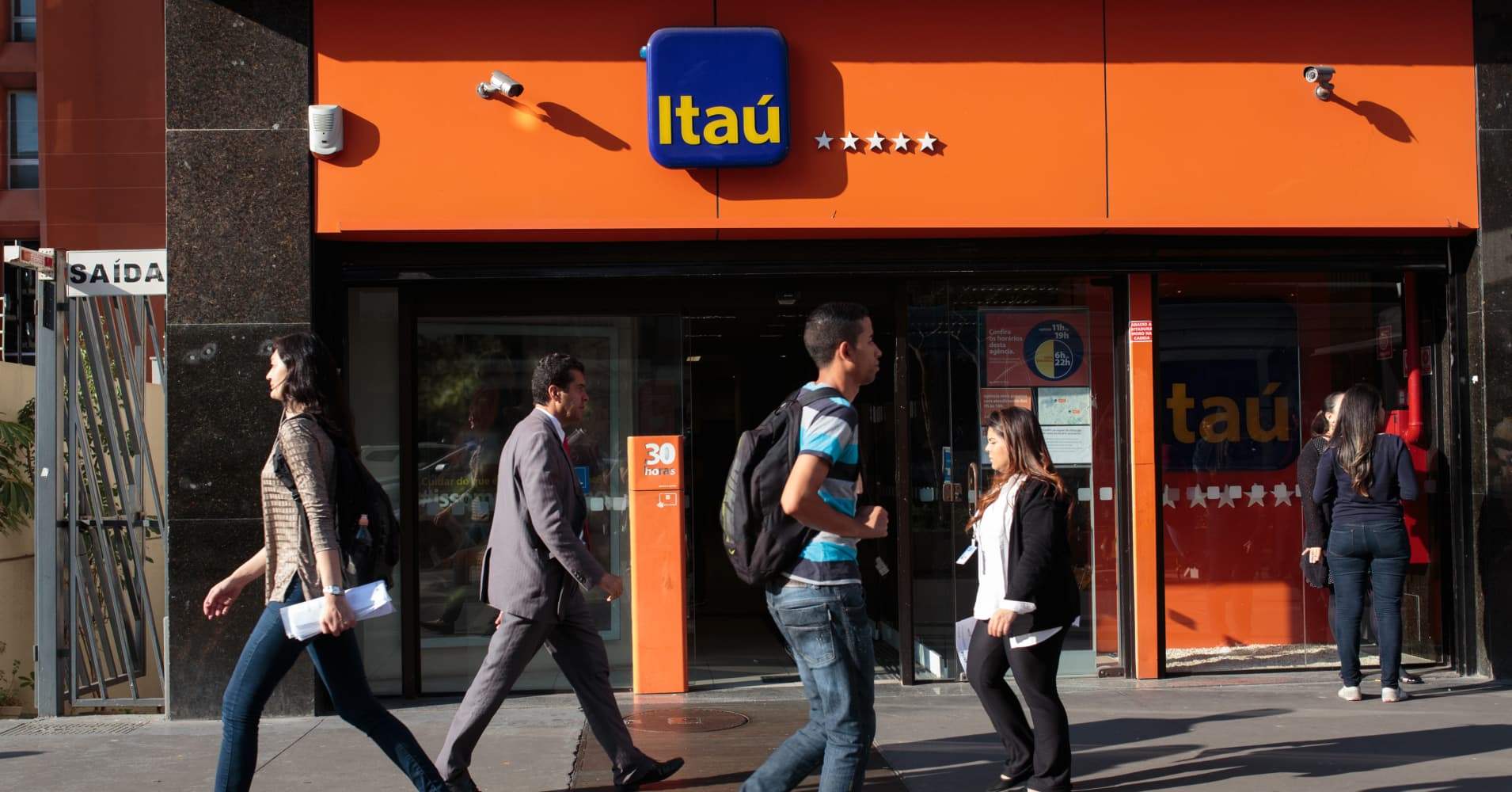
Investors have been increasingly investing in emerging market bonds as the longstanding status of Treasurys as a safe haven was undermined after U.S. President Donald Trump announced "reciprocal" tariffs.
Between April 2—when Trump declared the tariffs—and April 25, emerging market local currency bond yields decreased by 13 basis points, as reported by JPMorgan’s latest available information. Conversely, the benchmark 10-year Treasury yield increased by over 7 basis points within this timeframe.
Brandywine Global Investment Management’s portfolio manager Carol Lye noted an increase in interest towards emerging market fixed-income assets, mentioning that Mexico, Brazil, and South Africa might experience higher demand for their bonds.
Since these bonds are denominated in the domestic currency, foreign buyers’ acquisitions boost the demand for the local money as well.
"The real yields remain quite elevated. This means that the premium makes our presence in emerging markets worthwhile, and we're seeing positive effects on the currencies due to this move away from the dollar narrative," Lye explained.
This initiative by investors aims at broadening their portfolio beyond the U.S. market, with particular emphasis on local investors as noted by Mark Mobius, who chairs the Mobius Emerging Opportunities Fund. He further mentioned that domestic investors in emerging markets may shift funds from U.S. Treasury securities into various debt instruments because of their ties to the local currency.
The selling pressure on U.S. Treasury securities led to a surge towards alternative safe-haven assets like European bonds and Japanese government bonds. However, considering these are developed markets, this shift wasn’t particularly out of the ordinary, according to experts.
'A fresh perspective' on evaluating rising market investments
Investors have been taken aback by the prevailing sentiment and predictions surrounding emerging markets, which assert that these economies won't withstand an approaching U.S. downturn, as noted by Brandywine's Lye.
“I believe many individuals are being shown to be incorrect, as they continue to hold their positions,” she stated, further noting that several nations possess sufficient financial reserves and monetary flexibility to counterbalance worries about economic expansion.
Various observers from the financial sector pointed out that investments in emerging markets denominated in local currencies often perform more favorably compared to their alternatives when the US dollar weakens.
"In a market setting where the US dollar is weaker, commodity prices have declined, and there’s easing of interest rates globally, EM local currency fixed income tends to perform better than most other types of bonds," explained Tadas Gedminas, who serves as the vice president of the investment bank's global emerging markets strategy research division.
Paul Benson, who leads systematic fixed income at Insight Investment, mentioned that investors, especially those based in the U.S., are starting to assess emerging markets with "an entirely fresh perspective."
In the past, when U.S. investors tried to invest overseas such as in emerging market bonds, they often lost money once the dollar strengthened, Benson said. A strong dollar shrinks the profits from investments made in other currencies.
"He noted that the upheaval of 2025 has ultimately reversed the situation," adding that the comparatively weaker performance of U.S. risk assets and traditional safe-havens like the dollar and Treasury bonds have piqued interest among local investors regarding potential overseas opportunities they might have overlooked.
Viktor Szabó, who leads fixed-income investments at Aberdeen Investments, expressed his preference for emerging-market local-currency bonds but stated that it’s too soon to ascertain precisely how global investors are shifting their bond holdings. The firm observed that instead of completely divesting from U.S. government securities, certain investors have shifted their focus towards shorter-term instruments such as 2-year Treasury notes from longer-maturity bonds.
Following President Trump’s announcement of tariffs in early April, U.S. 2-year Treasury yields declined over subsequent days. Meanwhile, the 30-year Treasury yield surged by more than 30 basis points within one week. Additionally, the benchmark 10-year yield increased by approximately 30 basis points as well.
"For an extended period, we've inhabited a world where U.S. Treasury securities have remained the pinnacle of safety for investments. Should this perception shift, numerous investors would need to thoroughly reassess how they distribute their assets," Benson stated.
Post a Comment for "Investors Flock to Emerging Market Debt as Trump Tariffs Slam U.S. Treasuries"