Pfizer's CEO: Eliminating Tariffs Could Spur Major U.S. Investments
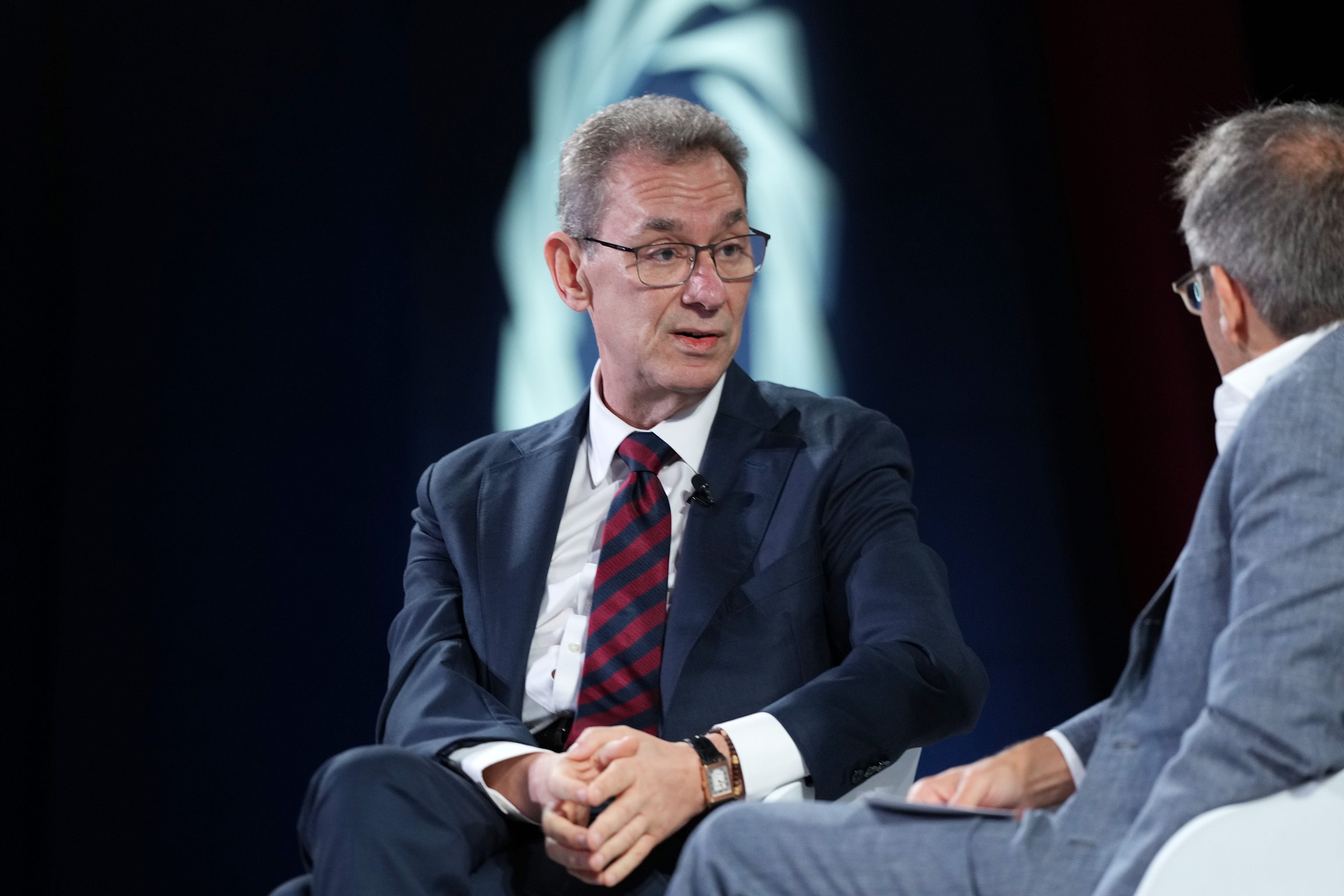
- The head of Pfizer stated that uncertainties regarding tariffs are preventing the corporation from undertaking significant financial commitments within the U.S.
- Albert Bourla indicated that there might be substantial investments in research and development as well as manufacturing within the United States.
- Trump has threatened to impose tariffs on pharmaceutical products, which have been exempted thus far.
The head of Pfizer stated that President Donald Trump’s tariffs along with uncertainties are hindering the company from undertaking “significant investments” within the U.S.
During a first-quarter earnings call on Tuesday, CEO Albert Bourla was questioned about what motivators he would require in tariff talks that might prompt him to boost manufacturing investment within the U.S.
"If I am certain that there won’t be any tariffs and everything is highly predictable, significant investments could occur within this nation, encompassing areas like research and development as well as manufacturing," Bourla stated.
“And during times of uncertainty, everyone is managing their expenses, just like we are,” Bourla stated. He also mentioned that Pfizer is being “highly economical” with its investments to ensure they are “ready for whatever comes.”
Bourla previously said his strategy to oppose Trump's tariffs is aimed at relocating manufacturing to the US.
Bourla stated at TD Cowen's yearly healthcare conference in March that we currently have 13 operational manufacturing facilities across the US.
"We possess all these abilities, and our production facilities are currently functioning at full strength. They aren’t idle; however, should an issue arise, we aim to address it by relocating operations that can be swiftly moved from external manufacturing sites to those located here," Bourla stated additionally.
Pfizer’s finance head, Dave Denton, mentioned during the conference call that the existing tariffs are anticipated to incur approximately $150 million in expenses for the corporation in 2025.
The pharmaceutical sector was excluded from the broad 10% tariffs that President Trump declared on April 2nd. Nonetheless, he mentioned earlier this month his intention to introduce tariffs on pharmaceuticals with the aim of encouraging these firms to shift their production processes to within the U.S. borders.
"All I have to do is impose a tariff, the more, the faster they move in. The higher the tariff — it's very simple — it's inversely proportional; the higher the tariff, the faster they come. And yeah, we're going to be doing that," Trump said .
The potential for drug tariffs has caused strong responses from major figures in the industry, with several warning about price increases.
The head of AstraZeneca, one of Pfizer’s rivals, mentioned during a financial briefing on Tuesday that their company might relocate certain production processes to the U.S. if drug import taxes are enforced.
Pascal Soriot stated that AstraZeneca might shift the production of its goods meant for the U.S. market from Europe to America.
On Tuesday, US pharmaceutical company Merck announced the commencement of building a new commercial manufacturing plant in Delaware at an investment cost of $1 billion. The firm’s CEO made this statement on Tuesday. press release indicating the company's ongoing dedication to production within the U.S. marketplace.
Individually, wealthy investor Mark Cuban said in March The medications from his firm, Cost Plus Drugs, may become pricier should tariffs be levied on India.
Pfizer's representatives did not reply to Business Insider’s request for comment.
If you liked this tale, make sure to follow Business Insider on MSN.
Post a Comment for "Pfizer's CEO: Eliminating Tariffs Could Spur Major U.S. Investments"